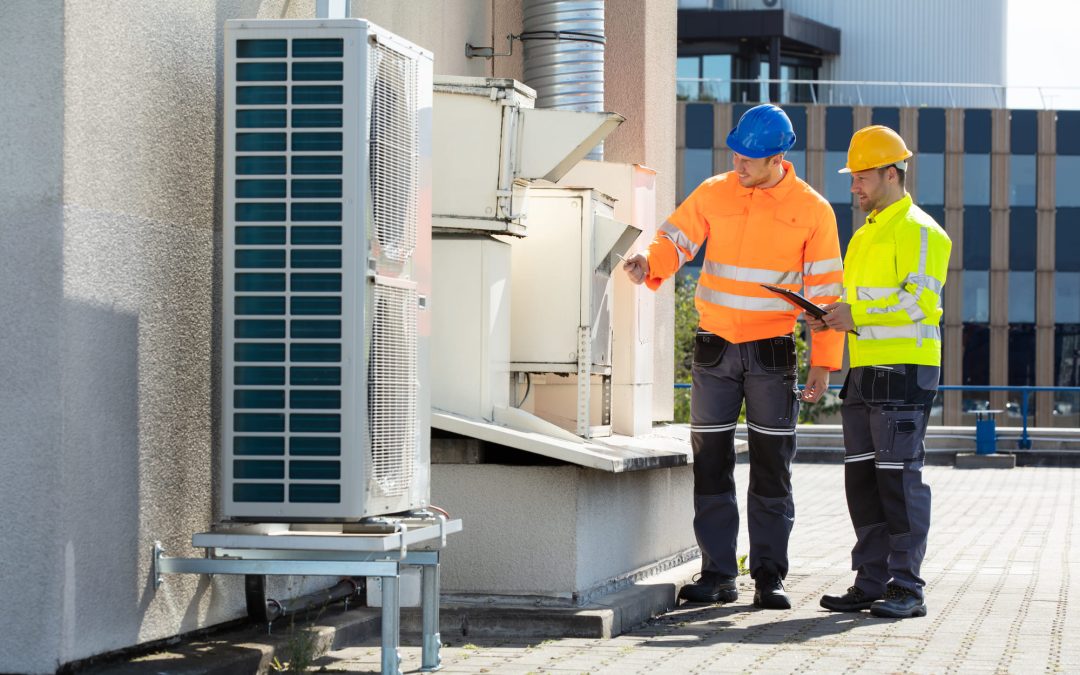
In modern construction, HVAC (heating, ventilation, and air conditioning) systems are critical for maintaining comfort, air quality, and safety. However, poorly designed or installed HVAC systems are a frequent source of construction defects, which can lead to costly lawsuits. Understanding these defects, their causes, and the legal implications is essential for building owners, contractors, and attorneys alike. As a seasoned HVAC and plumbing expert witness, Don Bailey, PE, has evaluated countless cases where improper installation or design caused disputes. This article explores common HVAC defects, why they occur, and how legal cases often arise from these issues. Learn more about our services for expert consultation and litigation support.
Why HVAC Defects Lead to Legal Disputes
HVAC systems are complex and integrate mechanical, electrical, and architectural elements. When a system is improperly installed or maintained, problems can manifest in various ways, including:
- Temperature control complaints
- Excessive HVAC system repair and maintenance costs
- Mechanical code violations
- Inefficient heating or cooling
- Excessive energy consumption
- Indoor air quality issues
- Noise complaints
- System failures that endanger safety
These issues often trigger claims for negligence, breach of contract, or construction defect litigation, particularly in commercial or institutional projects such as hospitals, hotels, and office buildings. Don Bailey, PE provides expert analysis that helps attorneys and owners determine liability and quantify damages in such cases. Explore his legal experience for examples of past case involvement.
Top Common HVAC Defects in Construction
Improper Ductwork Installation
Ductwork is essential for distributing conditioned air efficiently. Defects include:
- Acceptable temperature control
- Leaks due to poorly sealed joints
- Incorrect sizing causing uneven airflow
- Excessive bends or restrictions reducing efficiency
These defects can increase energy costs and create comfort complaints. Leaks in hospitals or critical environments may also violate building codes, leading to legal action.
Incorrect HVAC Sizing
HVAC units must be properly sized for the space they serve. Oversized systems cycle frequently, wasting energy, while undersized units fail to maintain desired temperatures. Common causes include:
- Lack of proper load calculation during design
- Changes in building layout without system redesign
Courts often rely on expert testimony to show whether sizing errors resulted from negligence or improper design.
Faulty Equipment Installation
Errors during installation can include:
- Poorly installed connected refrigerant lines
- Improper insulation of pipes and ducts
- Electrical miswiring
Equipment failures not only disrupt building operations but can also lead to litigation for property damage or business interruption.
Inadequate Ventilation
Ventilation problems can compromise indoor air quality, increasing liability risk. Issues often arise from:
- Failure to meet fresh air requirements per ASHRAE 62
- Unacceptable indoor air quality
- Incorrect fan selection
- Blocked or poorly routed air pathways
Healthcare facilities and operating rooms in particular, must comply with strict ventilation standards to provide acceptable infection control, air changes, proper air filtration and pressurization. Violations from inadequate filtration and ventilation can lead to hospital-acquired infections, regulatory fines and legal claims.
Failure to Comply with Building Codes
HVAC systems must comply with International Building Code (IBC), NFPA standards, Facility Guideline Institute Hospital and Outpatient Facility and CMMS standards, ASHRAE standards and regulations. Common code violations include:
- Noncompliant fire dampers or smoke control systems
- Unsafe electrical connections
- Improper piping or insulation
Expert witnesses like Don Bailey can identify code deviations and testify regarding their impact on safety and liability.
Deficient HVAC Controls
Modern HVAC systems often include digital control systems. Defects in controls can lead to:
- Inconsistent temperatures
- System overworking
- Inefficient energy use
Often, these defects result from programming errors, poor commissioning, or failure to integrate control components correctly.
Water and Condensate Issues
Condensate leaks and water damage are common consequences of poor installation. Problems include:
- Improper slope of drain pans
- Clogged condensate lines
- Water intrusion causing mold growth
Such defects can lead to health hazards, property damage claims, and expensive remediation.
Noise and Vibration Problems
Excessive noise or vibration can stem from:
- Misaligned fans or blowers
- Poorly mounted ductwork
- Unbalanced rotating equipment
While often considered minor, these issues can become grounds for legal complaints in commercial or healthcare environments where noise impacts operations.
Maintenance Neglect Leading to Failure
Even properly installed HVAC systems can fail if not maintained. Common legal issues arise when:
- Preventive maintenance schedules are ignored
- Filters, coils, or belts are improperly serviced
- System degradation causes business disruption or property damage
Litigation often hinges on whether a contractor or owner met their duty of care regarding maintenance.
Poor Documentation and Commissioning
Defective or missing commissioning reports, installation manuals, and as-built documentation often complicate disputes. Lack of documentation can make it difficult to determine:
- Responsibility for defects
- Whether installation met design specifications
Expert testimony can clarify these issues in court or arbitration.
How Don Bailey, PE Supports Legal Cases Involving HVAC Defects
Don Bailey offers comprehensive services for construction defect investigations, including:
- Reviewing project records, specifications, and as-built drawings
- Inspecting installed mechanical systems
- Identifying defects, code violations, and improper operations
- Preparing expert reports for litigation, mediation, or arbitration
- Providing deposition or courtroom testimony
Attorneys rely on his expertise to establish liability and quantify damages. Learn more about his services and legal experience.
Preventing Common HVAC Defects
Prevention strategies include:
- Proper load calculations during design
- Compliance with IBC and NFPA codes
- Careful installation and commissioning
- Routine maintenance and inspections
- Integration of quality control procedures
Investing in these steps can reduce the risk of lawsuits and extend system longevity.
Conclusion
Common HVAC defects are a leading cause of disputes in commercial and institutional construction projects. From ductwork leaks to control failures and code violations, these defects can cause temperature control complaints, costly HVAC system repairs, inefficiency, damage, and legal liability. With decades of experience as a mechanical engineer and expert witness, Don Bailey, PE, provides attorneys and building owners with the knowledge and evidence needed to resolve these disputes effectively. For consultation on evaluating HVAC systems or supporting legal claims, visit our homepage or explore our services for more information.