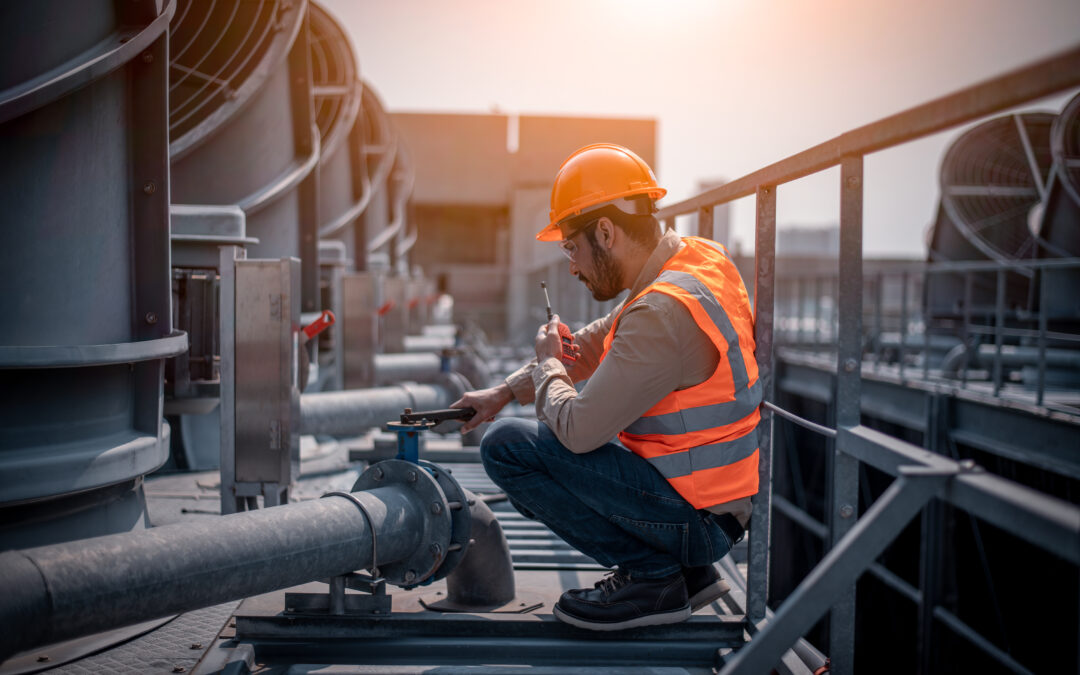
In construction defect litigation, mechanical system failures are among the most complex and contested issues. Heating, ventilation, and air conditioning (HVAC) systems are integral to occupant comfort, indoor air quality, life safety, and energy performance. When these systems fail, the consequences often include property damage, business interruption, regulatory violations, and costly lawsuits. For attorneys handling construction defect, professional liability, insurance, or personal injury cases, understanding how forensic HVAC investigations work—and how HVAC expert witness services support litigation—is critical.
For decades, Don Bailey, PE has provided forensic engineering analysis and expert testimony in cases involving HVAC and plumbing system failures. Through methodical investigation, code analysis, and clear expert reporting, he helps attorneys establish liability, causation, and damages. This article explains what forensic HVAC investigations involve, why they matter in litigation, and how attorneys can effectively leverage HVAC expert witness services to strengthen their cases.
What Is a Forensic HVAC Investigation?
A forensic HVAC investigation is a systematic engineering analysis performed after a system failure, defect, or dispute has occurred. Unlike design or commissioning work, forensic investigations focus on identifying what went wrong, why it happened, and who may be responsible.
These investigations typically arise in cases involving:
- Construction defects
- Design or engineering negligence
- Improper installation or commissioning
- Code violations
- Equipment failure
- Indoor air quality complaints
- Water intrusion or mold related to HVAC systems
An experienced mechanical engineer evaluates the HVAC system against contract documents, design standards, and applicable codes to determine whether the system met the standard of care.
Attorneys often engage HVAC expert witness services early in litigation to ensure defects are properly documented and preserved. Learn more about Don Bailey’s forensic expertise and professional background on the DonBaileyPE.com homepage.
Why HVAC Failures Lead to Litigation
HVAC systems are highly integrated with building structure, electrical systems, controls, and life safety components. A failure in one area can cascade into widespread problems. Common triggers for litigation include:
- Inadequate heating or cooling performance
- Excessive energy consumption
- Persistent temperature complaints
- Indoor air quality and ventilation failures
- Noise and vibration issues
- Condensate leaks and water damage
- Noncompliance with building or mechanical codes
Because HVAC problems are often concealed above ceilings or behind walls, defects may not become apparent until years after construction. When failures emerge, attorneys must determine whether responsibility lies with the designer, contractor, subcontractor, equipment manufacturer, or building owner.
This is where forensic HVAC investigations become essential.
The Role of HVAC Expert Witness Services in Legal Cases
HVAC expert witnesses serve as independent, technically qualified professionals who assist attorneys in understanding mechanical system issues and presenting them clearly in legal proceedings. Their role typically includes:
- Identifying defects and failures
- Determining causation
- Assessing compliance with codes and standards
- Evaluating whether work met the professional standard of care
- Quantifying damages related to HVAC deficiencies
Don Bailey, PE provides comprehensive HVAC expert witness services for litigation, arbitration, and mediation. His background as a licensed mechanical engineer allows him to bridge the gap between complex technical findings and legal strategy. More information about his professional qualifications can be found on the About page.
Key Steps in a Forensic HVAC Investigation
Document Review and Case Familiarization
A thorough forensic HVAC investigation begins with reviewing project documentation, including:
- Mechanical drawings and specifications
- Load calculations and design assumptions
- Submittals and shop drawings
- Commissioning reports
- Maintenance records
- Change orders and RFIs
This step establishes the design intent and contractual obligations. Discrepancies between design documents and installed conditions often form the basis of construction defect claims.
Site Inspection and Field Investigation
On-site inspection is a critical component of forensic HVAC analysis. During site visits, the expert may evaluate:
- Equipment installation quality
- Ductwork sizing, routing, and sealing
- Pipe insulation and supports
- Control system configuration
- Ventilation air delivery
- Condensate drainage systems
Photographic documentation and field measurements help preserve evidence and support expert opinions. Improper installation practices are a frequent cause of disputes, particularly when contractors deviate from approved plans.
Code and Standard Compliance Analysis
HVAC systems must comply with numerous codes and standards, including:
- International Mechanical Code (IMC)
- International Building Code (IBC)
- ASHRAE standards (such as 55, 62, and 90.1)
- NFPA fire and smoke control requirements
A forensic HVAC expert evaluates whether the system meets applicable requirements at the time of construction. Code violations often strengthen claims of negligence or breach of contract.
Performance Testing and Operational Analysis
When systems are operational, experts may analyze performance data to determine whether the HVAC system functions as intended. This may include:
- Temperature and airflow measurements
- System capacity evaluation
- Control sequencing review
- Energy usage assessment
Performance deficiencies frequently indicate improper design assumptions or inadequate commissioning.
Causation and Liability Determination
Perhaps the most important role of HVAC expert witness services is establishing causation. Attorneys must prove not only that a defect exists, but that it directly caused damages.
For example:
- Did undersized equipment cause tenant complaints and lost revenue?
- Did ventilation failures contribute to indoor air quality claims?
- Did improper condensate drainage lead to mold growth and remediation costs?
Expert analysis connects technical failures to real-world consequences.
HVAC Defects Commonly Evaluated in Litigation
Forensic HVAC investigations frequently focus on recurring defect categories, including:
Improper System Sizing
Incorrect load calculations can result in oversized or undersized equipment, leading to inefficiency, short cycling, and occupant discomfort.
Ductwork Deficiencies
Poorly sealed or improperly sized ductwork causes airflow imbalance, energy loss, and noise complaints.
Ventilation Failures
Inadequate outside air delivery or improper filtration can result in unacceptable indoor air quality, particularly in healthcare and commercial settings.
Control System Errors
Defective controls or programming errors often cause systems to operate inefficiently or fail to maintain design conditions.
Water and Condensate Issues
Improper slope, clogged drains, or missing overflow protection frequently result in water damage claims.
How Attorneys Use Forensic HVAC Expert Findings
Attorneys rely on HVAC expert witness services throughout the litigation lifecycle, including:
- Case evaluation and claim viability assessment
- Preparation of expert reports
- Depositions and discovery support
- Mediation and settlement negotiations
- Trial testimony
Clear, well-supported expert opinions often drive favorable resolutions before trial. Don Bailey’s extensive case involvement is outlined on his Legal Experience page, which highlights the breadth of matters he has supported.
What Attorneys Should Look for in an HVAC Expert Witness
When selecting an HVAC expert witness, attorneys should consider:
- Professional licensure and credentials
- Experience with litigation and testimony
- Familiarity with applicable codes and standards
- Ability to communicate technical concepts clearly
- Independence and credibility
A qualified expert not only understands HVAC engineering but also the legal process. Attorneys can review common questions about expert testimony and case involvement on the Expert Witness FAQs page.
Services Offered for HVAC Litigation Support
Comprehensive HVAC expert witness services typically include:
- Forensic system inspections
- Construction defect analysis
- Code compliance evaluations
- Standard of care assessments
- Expert report preparation
- Deposition and trial testimony
Details about available services can be found on the Services page.
Preventing HVAC-Related Disputes Through Early Expert Involvement
Engaging an HVAC expert witness early in a dispute can significantly reduce legal risk. Early involvement allows for:
- Proper evidence preservation
- Objective technical assessment
- Identification of responsible parties
- More informed litigation strategy
In many cases, early expert analysis leads to resolution before trial, saving time and legal costs.
Conclusion
Forensic HVAC investigations play a vital role in construction defect and building system litigation. Attorneys handling these cases must understand how HVAC failures occur, how they are investigated, and how expert opinions support claims of liability and damages. By leveraging experienced HVAC expert witness services, attorneys gain clarity in technically complex disputes and strengthen their legal arguments.
With decades of experience in forensic engineering and expert testimony, Don Bailey, PE provides trusted HVAC expert witness services for attorneys nationwide. For more information about his qualifications, services, and legal experience, visit the DonBaileyPE.com homepage.